6 Tips for More Meetings from In-Person Events

Most B2B teams attend events. Few prepare for them. The difference shows up in the pipeline. Here are 6 best practices to get more meetings from in-person events.

JM

Jose Morán

Lead Generation Expert

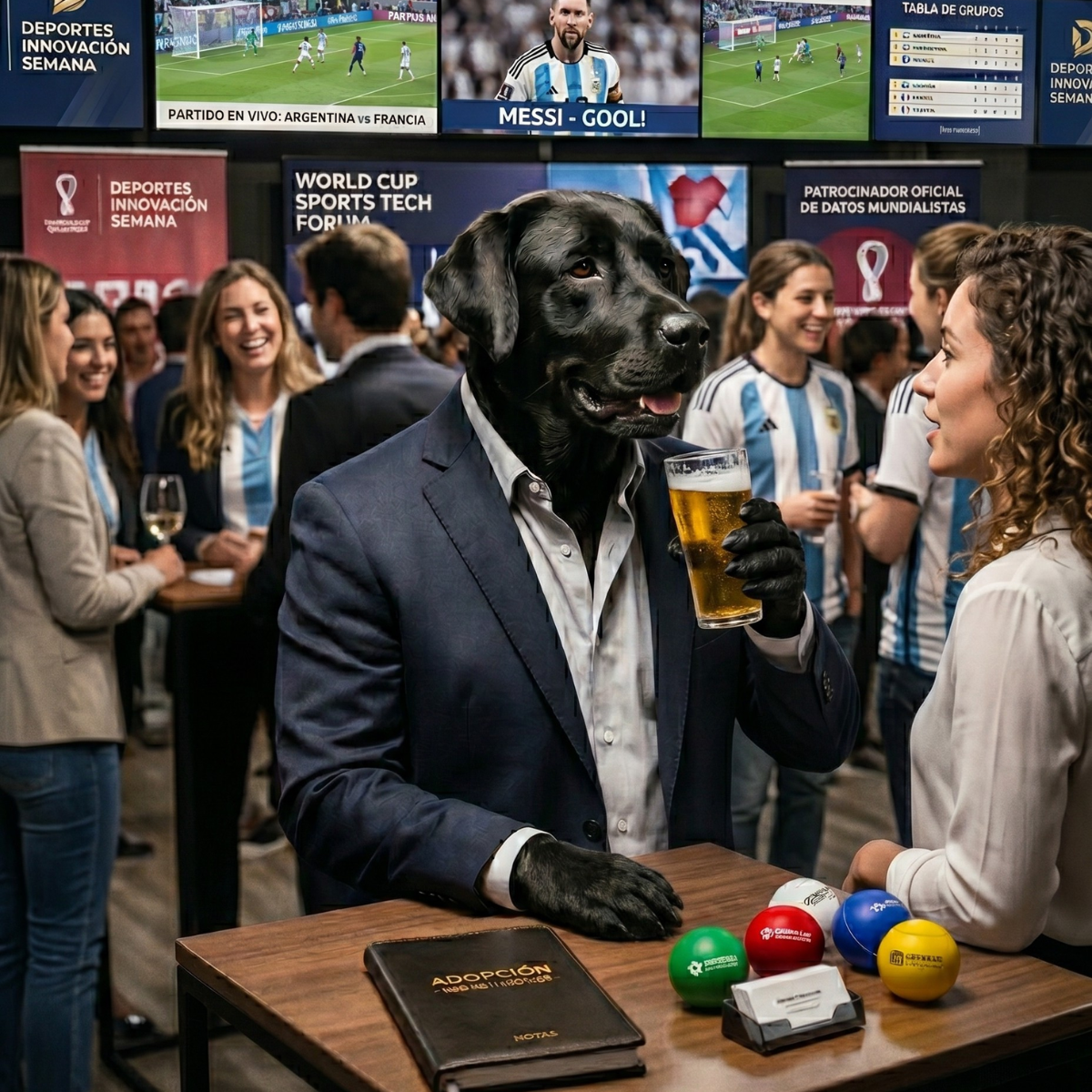
B2B networking at a World Cup Sports Tech Forum event
THE BOTTOM LINE

Every B2B channel tries to simulate the trust that one good in-person conversation builds in 20 minutes. Getting to that conversation is the challenge.

The FIFA World Cup brought something back that no digital channel has ever fully replicated: the right people, in the same room, with their guard down.

With over 100 games and dozens of satellite events, the FIFA World Cup is putting C-Suite executives and business leaders in that same kind of room. Same energy. Same access. Same rare window.

A handful of the people in that room will walk out of this season with new qualified relationships that turn into real business. Most will have collected business cards.

The difference is rarely who had the better product or the better pitch. It is who had a system before, during, and after the event.

Why in-person events still matter in B2B

Every channel in B2B — content, paid media, cold outreach — is trying to simulate the trust that one good in-person conversation builds in 20 minutes.

In complex sales cycles, where deals take 3 to 9 months and involve multiple decision-makers, the in-person moment is not a nice-to-have. It is the moment when the relationship moves from "someone I've heard of" to "someone I trust enough to involve in a real conversation."

The problem is not that companies do not attend events. Most do. The problem is they attend without a strategy, and then they wonder why the ROI is hard to justify.

The challenge: showing up without a system

Here is the pattern most B2B teams follow at events.

They register. They show up. They talk to whoever happens to be next to them at the bar. They collect 15 business cards. They go back to the office, send 15 "great to meet you" emails, get 2 responses, and close nothing. Then they debate whether in-person events are worth it.

The problem is not the event. It is the absence of a strategy that connects the event to a pipeline outcome.

"The problem is not that companies do not attend events. Most do. The problem is they attend without a strategy, and then they wonder why the ROI is hard to justify."

6 practices that turn in-person events into qualified meetings

01

Define what a win looks like before you leave the office

Not "generate leads." Not "network." Something specific: book 3 qualified discovery calls with targets in the [sector] space, or have a substantive conversation with 5 people who match your ICP.

Without a concrete definition of success, everything feels like it worked a little and nothing worked enough.

02

Build your target list before you arrive

Most events share attendee lists, speaker profiles, or company sponsors in advance. Use them.

Identify 10 to 15 people you genuinely want to speak with. Research them the same way you would before a sales call. Know one specific thing about their business, their recent news, or their role that makes a conversation natural instead of transactional.

Arriving with a target list turns a room of 60 strangers into a room of 10 priorities and 50 serendipitous opportunities.

03

Stand out before the event by adding value — not by announcing you will be there

The most common pre-event LinkedIn post reads: "Looking forward to connecting with everyone at [Event] next week." It generates likes from people who are also going. It generates zero conversations with people who matter.

The people who stand out before an event do something different: they make the event more useful for everyone else before it starts.

Take 45 minutes and publish a curated guide — three sessions worth attending, why each one matters, and one question worth bringing into each room. If a speaker on the agenda connects to what your target accounts care about, write a substantive preview of their topic and tag them. They almost always respond.

The goal of pre-event content is not to announce your presence. It is to become relevant enough so other attendees will be willing to meet you face to face.

04

Prepare questions, not pitches

Selling is not about talking, it is about listening. To understand what your prospect really needs, you should be asking questions.

Three questions worth preparing for every event:

  • What is the biggest commercial challenge your team is focused on this half? How are you trying to solve it?
  • What does success look like for you in the next 90 days?
  • What is the one thing that, if it worked better, would change everything?

The person who pitches their service in the first three minutes becomes a vendor to avoid. The person who asks those questions and listens carefully has a better chance to relate the prospect's need with its solutions.

05

Add value after the event before you ask for anything

Most event conversations die in the inbox. Not because the relationship was not real, but because every follow-up email says the same thing: "Great to meet you. Would love to continue the conversation." There are 100 emails like yours waiting in that inbox.

The way to stand out in the 48 hours after an event is the same as before it: be the most useful person in the room, even after everyone has left.

A high-quality curated summary — three to five real takeaways from the sessions, written in plain language, with one implication per insight — is genuinely useful content. Not a transcript. A synthesis: what was said, what it means, and what to do about it.

Publish it on LinkedIn within 48 hours. Tag the speakers and organizers. Share it directly with the people you met, framed as a resource rather than a follow-up: "I put together a summary of yesterday's key takeaways — thought it might be useful if you want to share with your team."

The person who publishes the best event recap becomes the reference point for that event in their network.

06

Follow-up, follow-up, follow-up

Lack of follow-up is the number one mortality for B2B deals. And to be clear: we are not talking about spamming. We are talking about keeping close. It is not the same thing.

For every follow-up you want to be relevant and adding value.

Within 48 hours: a personal message that references one specific thing from the conversation. Not a template. Something that proves you were actually paying attention.

Within one week: one piece of value — an article, a relevant introduction, a specific insight — that connects to what they told you they were working on.

Within 30 days: a soft ask for a 20-minute call, framed as a continuation of the conversation, not a sales pitch.

The honest math

A well-executed event strategy — with preparation, a target list, and a structured follow-up — generates 3 to 5 qualified conversations from every 10 meaningful interactions.

An unstructured event presence generates noise.

The cost of the event is the same either way. The difference is a system that connects the investment to a pipeline outcome.

"The teams that make it out of the group stage are not always the most talented. They are the ones that knew exactly who they were playing, studied the formation, and had a plan for the 90 minutes. The same principle applies to every B2B event you will attend this season."

3 RULES FOR EVERY EVENT

01

Define the Win

Know your ICP target list and success metric before you arrive. Vague goals produce vague results.

02

Be the Most Useful

Add value before, during, and after the event — not just when you are in the room. That is what being remembered feels like.

03

Follow Up Fast

The deal starts in the 48 hours after the event, not at the event. Specificity and speed are what separate a connection from a pipeline.

JOIN THE PACK.

Get B2B sales and marketing best practices in your inbox. Every week. No Spam.

rocket_launch

Build your event pipeline (free)

If you attended the Executive Roundtable Sports & Tech panel and are thinking about your event strategy for the second half of 2026, we would be glad to share how we help B2B teams build a system that connects in-person presence to qualified pipeline.

No pitch. Just a conversation.

Schedule 30 minutes arrow_forward