

Define your value proposition by use case
Use Case Canvas

Most companies think their value proposition is clear. Inside their office, maybe it is. Outside, it's rarely the same story.
When you put it on paper, you discover three or four different versions across the sales team. None of them anchored in the customer's language. Some describe features. Most describe the company. Almost none describe the actual problem being solved.
For a LatAm company entering the US market, this gap is even more costly. US buyers are flooded with vendor messages. If your pitch sounds like everyone else's, it gets filtered out before anyone reads it. Corporate language like "end-to-end digital transformation solutions" kills conversion. Not because it's false, but because it means nothing to the person reading it.
Don't talk about yourself. Talk about the problem you solve. Simply and clearly. And always lead with value in every interaction.
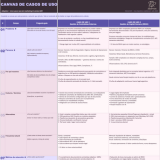
The tool we use to clarify the value proposition is the Use Case Canvas. For each product or solution you offer, it has seven fields:
- Problem: what specific pain does it solve?
- Person: who suffers from it? (role, industry, company size)
- Why you: what do you do differently from the alternatives?
- Features: what capabilities or services solve the problem?
- Alternatives: what do buyers compare you to? (including "do nothing")
- Natural frequency: how often does the customer feel this pain?
- Retention metric: how do they know it worked?
Execution note: most companies have clarity on fields 4 and 5. The real work (and the real impact) is in fields 1, 2, and 7. That's what makes a sales message resonate or get ignored.
 download
Download the Use Case Canvas we use with our clients
arrow_forward
download
Download the Use Case Canvas we use with our clients
arrow_forward